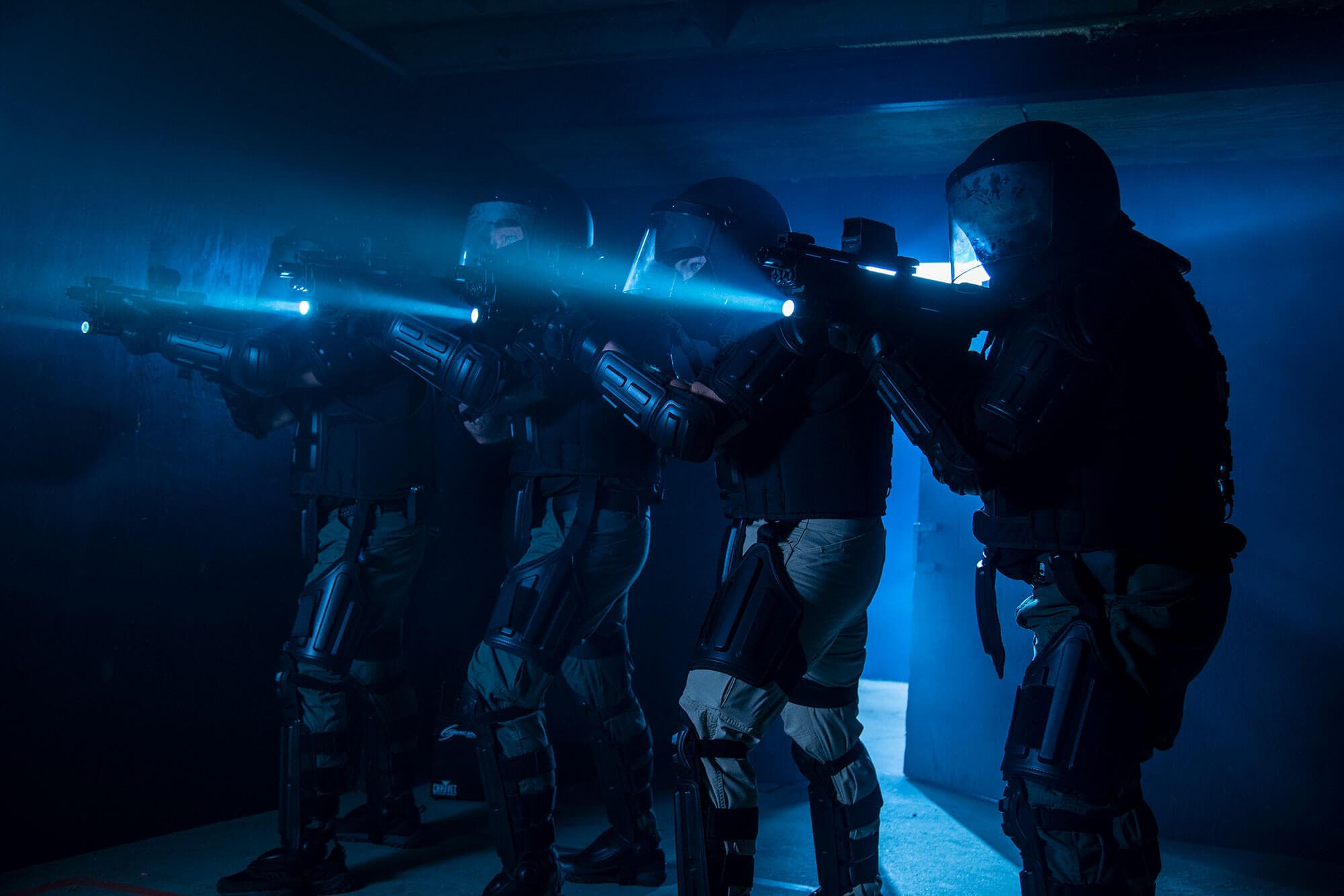
Most law enforcement procurement processes are built around general government purchasing rules that were not designed for protective equipment. The result is processes that emphasize lowest cost, standardized comparison criteria, and documentation requirements, while underweighting factors that matter most for gear that officers will use in dangerous situations: fit, field performance, and vendor support capability.
Understanding Your Procurement Framework
Department procurement authority, state contract programs, cooperative purchasing agreements, and federal grant programs each have different rules about how equipment can be sourced. Understanding which pathways are available to your department, and which are fastest for the type of purchase you are making, is the first step in an efficient procurement process. The Office of Justice Programs maintains resources on law enforcement equipment procurement, including information on grant funding that can be applied to protective equipment purchases.
Building the Specification
A gear specification that is too narrow can eliminate compliant vendors. A specification that is too broad results in bid responses that are technically equal but practically very different. The specification should describe the protection requirements (impact ratings, fire resistance, ballistic standards if applicable), fit requirements (size range, compatibility with existing gear), and support requirements (warranty terms, parts availability, T&E process). Writing these requirements in terms of performance standards rather than specific product names keeps the procurement legally defensible while still capturing what matters.
The T&E Process in Procurement
Building a field evaluation requirement into the procurement process before final selection protects departments from committing to gear that does not perform as represented. Haven Gear's T&E program is designed to integrate with law enforcement procurement processes, providing configured kits for evaluation with documentation support that can be incorporated into the procurement record.
Lifecycle Cost in Budget Justification
Budget justifications for gear purchases are more successful when they include lifecycle cost analysis rather than just purchase price. Modular gear with available replacement parts has a significantly lower five-year cost than gear that requires full replacement when components fail. Documenting this in budget requests gives decision-makers a more accurate picture of the actual investment being proposed.