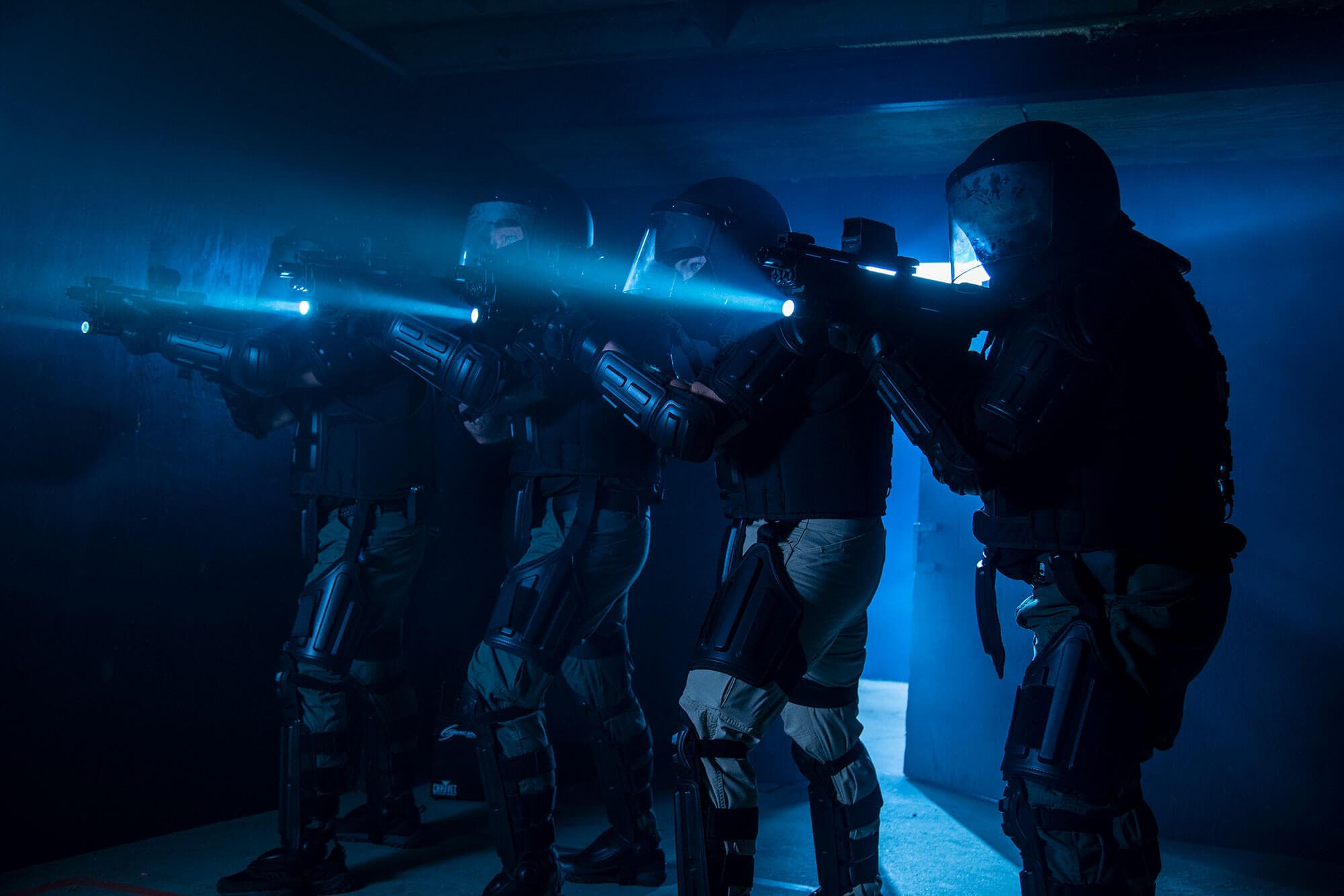
The cheapest riot suit on the quote sheet is frequently the most expensive suit the department will own. Purchase price is one input in a lifecycle cost calculation that also includes service life, parts availability, warranty coverage, and the cost of the injuries that degraded gear fails to prevent. Procurement that optimizes the first number and ignores the rest buys the same capability twice.
The Lifecycle Math
Divide total cost of ownership by years of service and the rankings change. A suit that costs 30 percent more but serves twice as long is the cheaper suit, before counting the administrative cost of running a second procurement cycle, re-sizing the roster, and re-training on new equipment. Police Chief Magazine procurement coverage has long pushed agencies toward total-cost evaluation for exactly this reason: budget cycles reward low sticker prices, but budgets over a decade reward durability.
Replacement Parts vs Full Kit Replacement
The single biggest lifecycle variable is whether a damaged component costs a part or a suit. Haven Gear stocks individual replacement parts, arm protectors, thigh protectors, leg guards, groin guards, and face shields, across the suit lineup. A cracked face shield on a parts-supported system is a minor line item; on a sealed system it is a full helmet. Multiply that difference across a 40-officer team and ten years of service and it frequently exceeds the original purchase price. Our guide to riot gear durability covers what wear is normal and what wear is failure.
Warranty as a Procurement Criterion
Warranty terms are a vendor telling you how long they expect their product to last. Weak warranties price in early failure; strong ones reflect confidence in materials and construction. Read the coverage terms, what voids them, and the claim process before the purchase, and weight them in the evaluation alongside price. Haven Gear's warranty is published and worth comparing directly against any competing quote.