Year after year, vehicle-related incidents rank among the leading causes of law enforcement line-of-duty deaths, alongside felonious assaults. Data compiled by the Bureau of Justice Statistics and annual officer fatality reports tell the same story: the patrol car is one of the most dangerous places an officer works. Driving is a tactical skill and deserves tactical discipline.
Intersections and Emergency Response
Most serious crashes during emergency response happen at intersections, and lights and sirens do not clear them. Cross traffic may not hear the siren, may not see the lights, or may panic and stop in the intersection. Clear every lane visually before committing, even when it costs seconds. A response that ends in a crash helps no one at the original call and adds a second scene for someone else to work.
Pursuit Decisions
Know your department's pursuit policy cold, including the termination criteria, before you are in a pursuit. The decision to continue or terminate should be made against policy and risk, not adrenaline. Speed, traffic density, weather, the severity of the underlying offense, and the availability of alternatives like air support or license plate follow-up all belong in the calculation, and supervisors should be empowered to terminate without second-guessing.
Fatigue and Seatbelts With Duty Gear
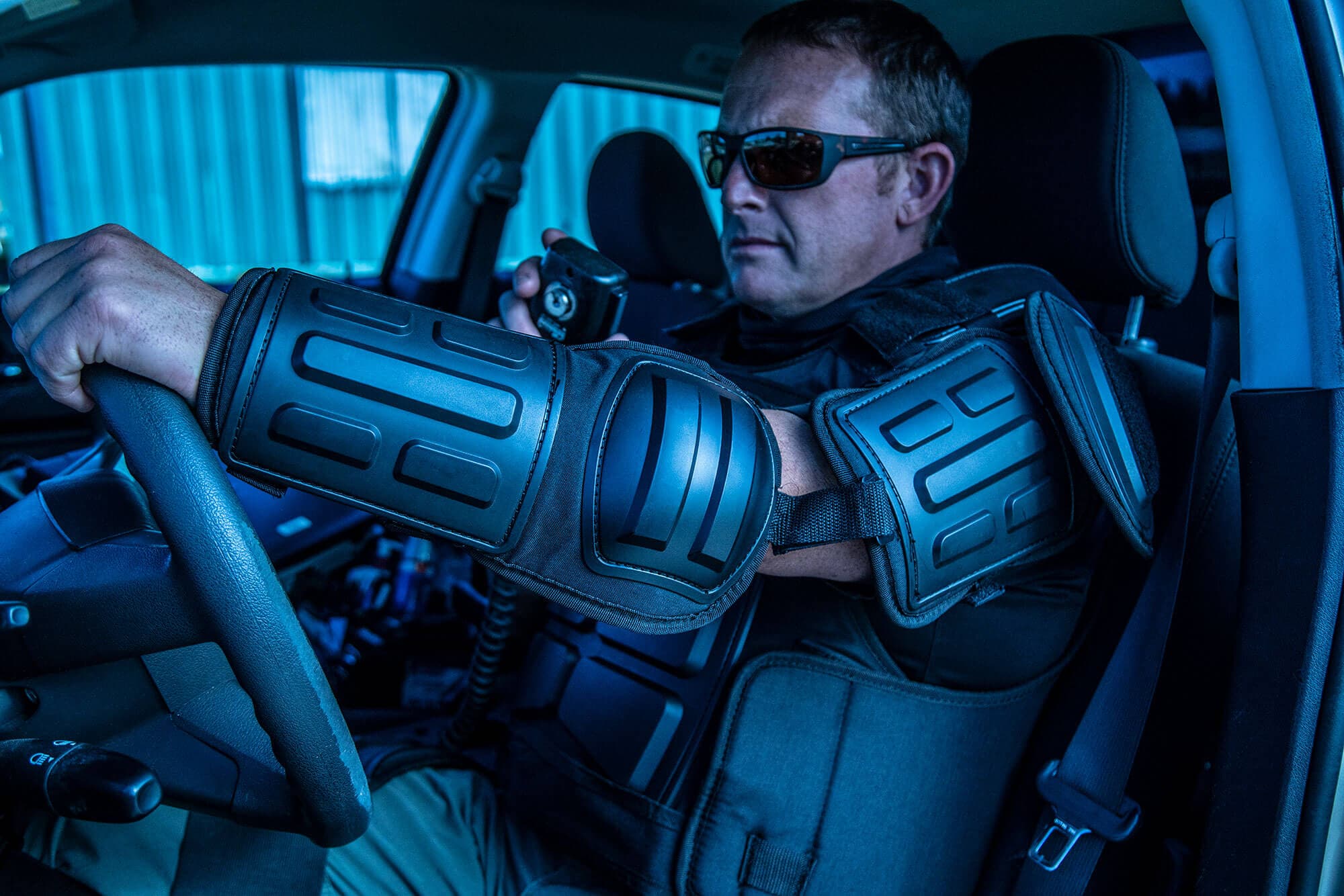
Shift work fatigue impairs driving in ways that mirror alcohol impairment, and long sedentary stretches make it worse. Treat drowsiness as an operational problem to report, not a weakness to push through. Seatbelts are the other discipline gap: duty belts and carriers make belts uncomfortable, and some officers quietly stop wearing them. Adjust gear placement so the belt works, because unbelted officers die in crashes that belted officers walk away from. Protective equipment staged for rapid response, like the Riot Limb Set, should ride secured in the trunk or cargo area where it cannot become a projectile in a collision.