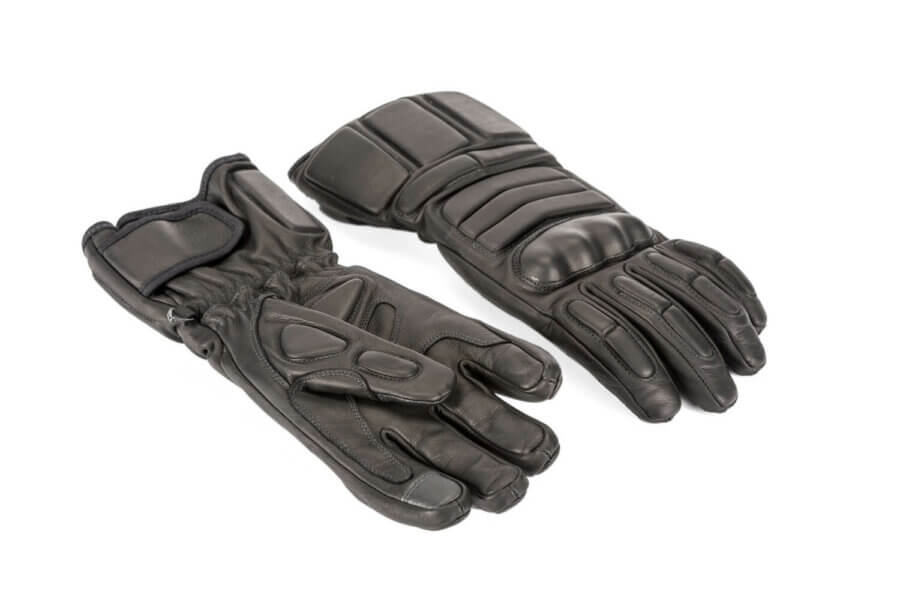
Kevlar Tactical Gloves: Critical Protection Every Officer Needs on Duty
In the high-stakes environment of modern law enforcement, an officer’s hands are among their most valuable and vulnerable assets. From navigating the jagged remains of a shattered storefront to managing a violent struggle during a routine patrol, the physical demands placed on a responder’s hands are constant and unforgiving. Any significant injury to the fingers, knuckles, or palms during a crisis can have disastrous consequences for the officer’s ability to maintain control and restore peace. Because these professionals serve on the front lines of public disturbances, equipping them with advanced protective gear is not merely an option but a tactical necessity. Tactical gloves, specifically those integrated with high-performance materials like Kevlar, have become a cornerstone of this protective strategy.
The Critical Need for Advanced Hand Protection
The dangers encountered on a daily basis by law enforcement personnel are incredibly diverse and often unpredictable. Officers regularly face threats from flying debris, sharp objects, and hazardous fluids that can compromise their physical integrity in seconds. In specialized operations, such as drug raids, the risk of a needlestick injury is a constant concern that requires specialized gauntlets to prevent potential infection. Furthermore, extreme temperatures and weather elements can quickly degrade an officer’s performance if their hands are not properly insulated or protected from moisture.
The evolution of these protective tools was born out of a realization that traditional gear was often insufficient for the 21st-century landscape. For decades, much of the equipment available to law enforcement had remained largely unchanged since the 1970s, often hindering the movement of the officers it was meant to protect. Recognizing this gap in the field, Haven Gear has dedicated years to developing innovative defense technology that prioritizes both safety and mobility. By working directly with quick response teams and correctional officers, the industry has shifted toward creating riot gear that is flexible enough for intense tactical situations while remaining durable enough to withstand extreme environments.
The Science and Strength of Kevlar
At the heart of modern tactical glove design is Kevlar, a material synonymous with strength and durability. When integrated into gloves, Kevlar provides a vital layer of defense against cuts and slashes, which is essential for officers who may encounter knife-wielding individuals or sharp building materials. Beyond its cut-resistant properties, this material is often used in the construction of heat-resistant gloves, protecting hands from high temperatures and friction during demanding tasks. These performance fabrics are frequently combined with reinforced palms and heavy leather to provide a stronger presence than bare hands alone.
For those operating in high-risk or violent environments, padded Kevlar riot gloves offer a comprehensive solution by protecting both the hands and the wrists. These fully-articulated tools are designed to absorb the shock of an impact, reducing the likelihood of debilitating bone or joint injuries. The integration of a harder outer shell allows team members to push through physical obstacles that might otherwise prevent them from successfully protecting their community. This level of protection is particularly important for rapid response teams, military personnel, and leaders in correctional facilities who manage high-risk prisoner transfers.
Specialized Designs for Every Mission
Not every mission requires the same type of hand protection, leading to the development of various specialized tactical gloves. Hard knuckle gloves are specifically engineered to safeguard the knuckles during physical altercations or search and rescue operations. These gloves often feature reinforced plates on the fingers, palms, and knuckles, yet they remain pliable enough to allow for a high degree of finger articulation.
This balance between stability and security ensures that officers do not have to sacrifice their manual dexterity to stay safe on the front lines.
In other scenarios, such as maritime operations or winter patrols, waterproof and insulated gloves become the primary focus. Waterproof tactical mittens are often constructed from materials like Neoprene to provide a barrier against chemicals and liquids while keeping the hands dry. Conversely, insulated cold-weather gauntlets are designed to maintain circulation and warmth in freezing environments, though they may sacrifice some agility for their bulkier, heavy-duty construction. For officers working in humid or hot conditions, mesh tactical mittens made from breathable materials like Kevlar and spandex provide necessary ventilation to prevent sweaty hands from interfering with operations.
Modern technology has also introduced the need for touchscreen-compatible gloves. In dynamic battle or riot scenarios, being able to operate navigation equipment or a smartphone without removing protective gear is a significant tactical advantage. These gloves typically utilize conductive, carbon-infused fabrics or specialized leathers on the fingertips to ensure that sensory movement is translated accurately to digital devices. Whether the task involves rappelling, fast-roping, or precise firearm shooting, there is a specialized glove design optimized for that specific function.
Achieving Maximum Officer Mobility and Safety
A primary goal of modern tactical equipment is to ensure that officers can move freely while remaining fully protected. Haven Gear has been at the forefront of this movement, offering suits and accessories like the Enforcer and Patrol kits that emphasize unrivaled innovation and mobility. These systems are designed to be lightweight and adjustable, allowing officers to “get up when they get knocked down” during intense crowd control situations. The tactical accessories used in these kits, including gloves, must be as reliable as the full-body riot suit itself to ensure a seamless defensive barrier.
Selecting the right fit is perhaps the most overlooked aspect of glove safety. Tactical gloves are available in a wide range of sizes, from extra-small to double-extra-large, to accommodate both male and female professionals comfortably. It is vital that protective equipment fits correctly, as any extra room inside the glove could lead to dangerous slips or reduced control during an incident. By prioritizing a secure fit and high-quality materials, agencies can provide their teams with the tactical help and convenience they need to succeed in their missions.
Choosing the Right Tactical Gear
When an agency prepares to outfit its officers, several factors must be considered to balance protection, safety, and performance. The structural design of the glove should be dictated by the specific tasks at hand, whether that involves lightweight patrol or heavy-duty motorcycling. Material choice is equally critical, as synthetic options may offer more flexibility and a skin-tight fit, while leather provides better heat resistance and durability in certain conditions.
Furthermore, professionals should look for relevant certifications to ensure the gear meets established safety standards. Certifications like PPE regulations or TAA compliance help agencies avoid low-quality imitations that could fail in a life-threatening situation. Striking a balance between price and performance is essential, but it should never come at the expense of the critical protection an officer’s hands require. Ultimately, the most effective tactical gear kits are those customized to the unique needs of the department. With a focus on getting every officer home safely, Haven Gear continues to provide the most durable and versatile defense technology available to law enforcement today.
Frequently Asked Questions
What are the main benefits of Kevlar in tactical gloves?
Kevlar provides exceptional cut and slash resistance, which protects officers from sharp objects and weapons. It is also a flame-resistant material that can withstand high temperatures, making it ideal for high-friction tasks or environments with heat hazards. Additionally, it adds durability and strength without requiring the bulk of traditional heavy materials.
How do hard knuckle gloves differ from standard tactical gloves?
Hard knuckle gloves are specifically designed with reinforced plates over the knuckles and fingers to provide impact resistance during physical altercations. While standard tactical gloves focus on general protection and grip, hard knuckle versions allow officers to deflect blows or punch with a reduced risk of damaging their own hands or transferring the impact to their wrists.
Why is mobility so important in riot gear and gloves?
Older riot gear was often so heavy and cumbersome that it hindered an officer’s ability to react quickly to threats. Modern innovation focuses on lightweight, flexible materials that allow for unbelievable mobility, ensuring officers can move effectively while remaining protected in dangerous, tactical situations.
Can tactical gloves be used with touchscreens?
Yes, many modern designs feature conductive fabric or specialized goat skin on the fingertips. This allows law enforcement personnel to operate communication devices, smartphones, and navigation equipment without having to remove their protective gear in the middle of a mission.
What should one consider when choosing the size of their gloves?
It is critical that the gloves fit as intended, with no extra room that could cause the glove to slip or reduce dexterity. Most high-quality tactical gloves come in a wide range of sizes, from XS to 2X, to ensure a comfortable and secure fit for all professionals.
Conclusion
The journey from the rigid, outdated equipment of the past to the high-performance tactical gear of today reflects a commitment to the safety of those who serve. As the threats faced by law enforcement continue to evolve, so too must the tools they use to protect themselves and their communities. By integrating advanced materials like Kevlar and prioritizing designs that enhance mobility, agencies can ensure their officers are prepared for any crisis. Providing the highest quality riot gear and tactical accessories is more than a matter of equipment; it is a vital investment in the well-being of every man and woman on the front lines.