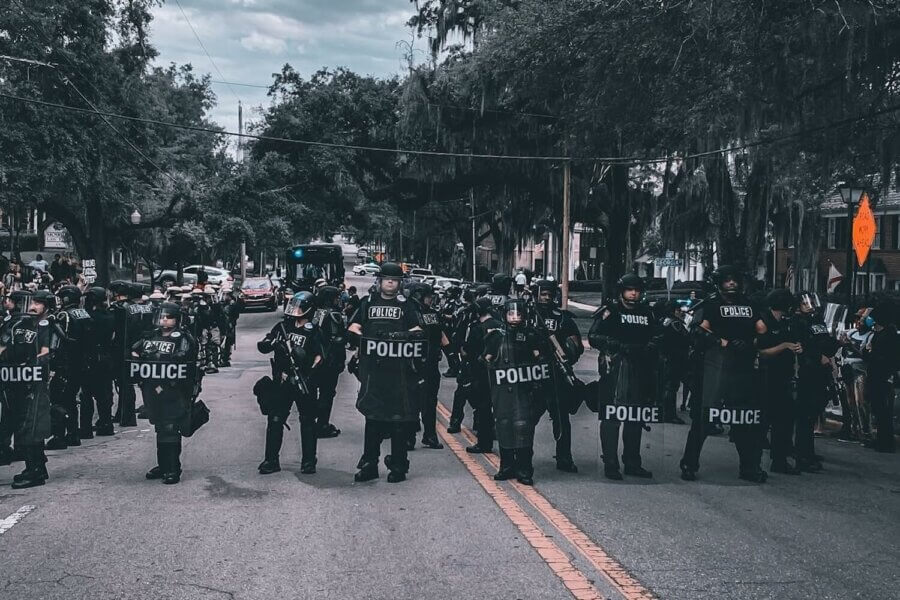
De-Escalation First: How Riot Gear Supports the Use-of-Force Continuum
The atmosphere of modern law enforcement in 2026 is defined by a singular, overarching mandate: de-escalation. Every agency, from small municipal departments to sprawling correctional systems, is operating under a spotlight of public scrutiny and a rigorous set of professional standards. At the heart of this operational philosophy is the Use-of-Force Continuum, a strategic framework designed to guide officers through a tiered series of responses based on the level of resistance they encounter. While many view protective equipment as a sign of escalation, a deeper analysis reveals that high-quality riot gear is actually a foundational requirement for keeping situations at the lower levels of that continuum.
For decades, there has been a significant disconnect between the tactical needs of officers and the technology provided to them. Traditional equipment used for crowd control and quick response was largely designed in the 1970s and has remained virtually unchanged for over fifty years. This antiquated gear is often heavy, restrictive, and physically exhausting for the wearer. When an officer is physically compromised by their own equipment, their ability to remain calm and apply de-escalation techniques is severely diminished. Modernizing this equipment is not about increasing force; it is about providing the physical and psychological security necessary to avoid it.
The Framework of Controlled Response
To understand how gear supports de-escalation, one must first understand the stages of the Use-of-Force Continuum. Most agencies follow a model that begins with the simple visual presence of an officer. At this initial level, the mere sight of a professional, well-equipped individual can be enough to gain compliance and prevent a situation from spiraling. However, if the gear worn by that officer is mismatched, ill-fitting, or visibly outdated, it may not convey the necessary authority to maintain order.
As a situation moves into verbal commands and soft controls, such as physical restraints or pressure points, the officer’s physical mobility becomes paramount. If their armor is so bulky that they cannot move effectively, they may feel forced to skip these lower-level tactics in favor of more aggressive measures simply because they feel vulnerable. This is where the innovation of Haven Gear becomes essential, as it provides the 21st-century technology needed to ensure that officers are mobile enough to handle these delicate transitions.
When a situation reaches the level of hard controls or intermediate weapons, such as the use of batons or chemical agents, the protective qualities of the officer’s suit are what prevent them from sustaining injuries that could lead to a loss of control. An officer who is protected from blunt force and sharp objects can remain focused on restoring peace rather than reacting to personal pain or fear. By providing a physical buffer, modern armor allows for a more measured and professional application of force.
The Psychology of Protection
There is a powerful psychological component to officer safety that directly impacts de-escalation. When a person feels vulnerable to physical harm, their biological “fight or flight” response is activated, often leading to faster and more aggressive reactions. In a riot or high-tension correctional environment, an officer might be targeted with thrown projectiles like rocks or bottles, or even melee weapons such as hammers and clubs.
Without adequate protection for the head, torso, and extremities, an officer is at a tactical disadvantage. The risk of sustaining a concussion or a traumatic brain injury from a thrown object is a constant reality during civil unrest. When an officer knows that their gear, such as molded polypropylene panels and specialized helmets, can withstand these impacts, they can maintain their composure. This professional poise is the cornerstone of de-escalation.
By investing in advanced suits like those from Haven Gear, departments are essentially buying their officers the “time” and “space” needed to think clearly during a crisis. A protected officer is a calm officer, and a calm officer is far more likely to successfully resolve a conflict without resorting to lethal force.
Engineering for Endurance
Physical fatigue is one of the greatest enemies of de-escalation. An officer who has been standing on a line for eight hours in the sun, carrying forty pounds of outdated equipment, is not in the best physical or mental state to make split-second decisions. This is why modern riot gear focuses heavily on ergonomics and integrated wellness systems.
Innovative designs now include features like integrated hydration and cooling systems, which were non-existent in the gear of previous generations. These systems are not just for comfort; they are critical for maintaining the stamina and endurance required to handle large-scale issues. Models like the Patrol suit are specifically designed to be lightweight and adjustable, ensuring that the officer remains as fresh as possible throughout their shift.
When the equipment works with the body rather than against it, the officer’s “bandwidth” for managing a crowd increases significantly. They are less distracted by heat exhaustion or physical strain, allowing them to focus entirely on the evolving dynamics of the situation and the proper application of the Use-of-Force Continuum.
Versatility Across the Continuum
The needs of a department can vary wildly depending on the specific environment, whether it is a suburban street, a dense urban center, or a high-security correctional facility. A “one-size-fits-all” approach to gear often leads to compromises in either safety or mobility. This is why the availability of specialized kits and accessories is so important for modern agencies.
For high-intensity tactical situations where the threat of escalation is acute, full-coverage defensive gear like the Enforcer suit provides the necessary ballistic and blunt-force protection. This suit often includes integrated carriers and MOLLE gear, allowing officers to carry all necessary tools while remaining safe. Conversely, for units that require extreme mobility, such as mounted patrols, specialized kits ensure that both the rider and the horse are protected without sacrificing the ability to mount or dismount quickly.
Even the smallest pieces of equipment play a role in the continuum. For example, Kevlar-lined gloves with hard knuckle protection are essential for officers who must use soft or hard physical controls to manage a suspect. These accessories ensure that the officer does not sustain hand injuries that would prevent them from effectively performing their duties or defending themselves.
The Data-Driven Necessity
The need for this advanced equipment is supported by sobering statistics. The FBI has reported a significant rise in direct attacks on law enforcement, with thousands of additional assaults recorded annually in recent years. When thousands of officers are being injured by blunt force trauma, sharp objects, and weaponized attacks, the argument for next-gen gear becomes a matter of institutional responsibility.
Providing fitness opportunities and nutritional coaching are excellent ways to improve officer wellness, but they cannot stop a brick or a blade. Only high-quality, durable riot gear can offer the level of protection required during a violent encounter. By choosing a partner like Haven Gear, agencies are ensuring that they are meeting the highest standards of safety while also supporting the tactical mission of their team.
Frequently Asked Questions
How does wearing a riot suit actually help with de-escalation?
A riot suit provides the officer with a physical and psychological “buffer”. When an officer feels safe from blunt force and projectiles, they are less likely to react out of fear or pain, which are major drivers of rapid escalation. This safety allows them to stay at the lower levels of the Use-of-Force Continuum, such as verbal commands and soft controls, for longer periods.
What is the difference between 1970s-era gear and modern 21st-century gear?
Traditional gear is often bulky, heavy, and lacks features like hydration or cooling systems. Modern gear utilizes advanced materials like molded polypropylene and Kevlar, making it much lighter and more flexible. It is designed specifically to allow for mobility and comfort during long deployments, which reduces officer fatigue.
Can these suits protect against edged weapons like knives or axes?
Yes. Modern riot suits are designed with panels that offer substantial protection from slashing edges and hard impacts. This is a critical feature, as many “non-lethal” weapons used against police are improvised melee items like boards or sharp objects.
Why is mobility so important in a riot situation?
Mobility allows an officer to respond dynamically to changing threats. If an officer is knocked down, they need to be able to get back up quickly. Furthermore, mobility is essential for performing soft and hard control tactics that require agility and precise movement to avoid causing unnecessary injury to a suspect.
Does the gear come in different sizes, or is it a one-size-fits-all?
Modern protective suits, such as the Patrol model, are highly adjustable to fit a wide variety of body sizes. This ensures that every member of a department, regardless of their build, has gear that fits correctly and provides the intended level of protection.
Riot Gear Conclusion: The Future of Protection
The evolution of policing in 2026 demands a new way of thinking about equipment. It is no longer enough to simply provide a shield and a helmet; departments must provide integrated systems that support the physical and mental well-being of their officers. The Use-of-Force Continuum is a vital tool for ensuring that justice is served with the minimum necessary force, but that tool is only effective if the officers using it are properly equipped.
By investing in modern, mobile, and durable protective technology, agencies are making a clear statement about their values. They are prioritizing de-escalation by giving their officers the confidence to stay calm under pressure. They are prioritizing wellness by reducing the physical strain of long deployments. And most importantly, they are prioritizing the safety of both their personnel and the public they serve.
The ultimate goal of any law enforcement agency is to resolve conflicts peacefully and ensure that every officer returns home safely at the end of their shift. Modern riot gear is not an obstacle to that goal; it is a prerequisite for it. As the landscape of public safety continues to shift, the departments that embrace these technological advancements will be the ones best prepared to meet the challenges of the future while maintaining the highest standards of professional conduct.