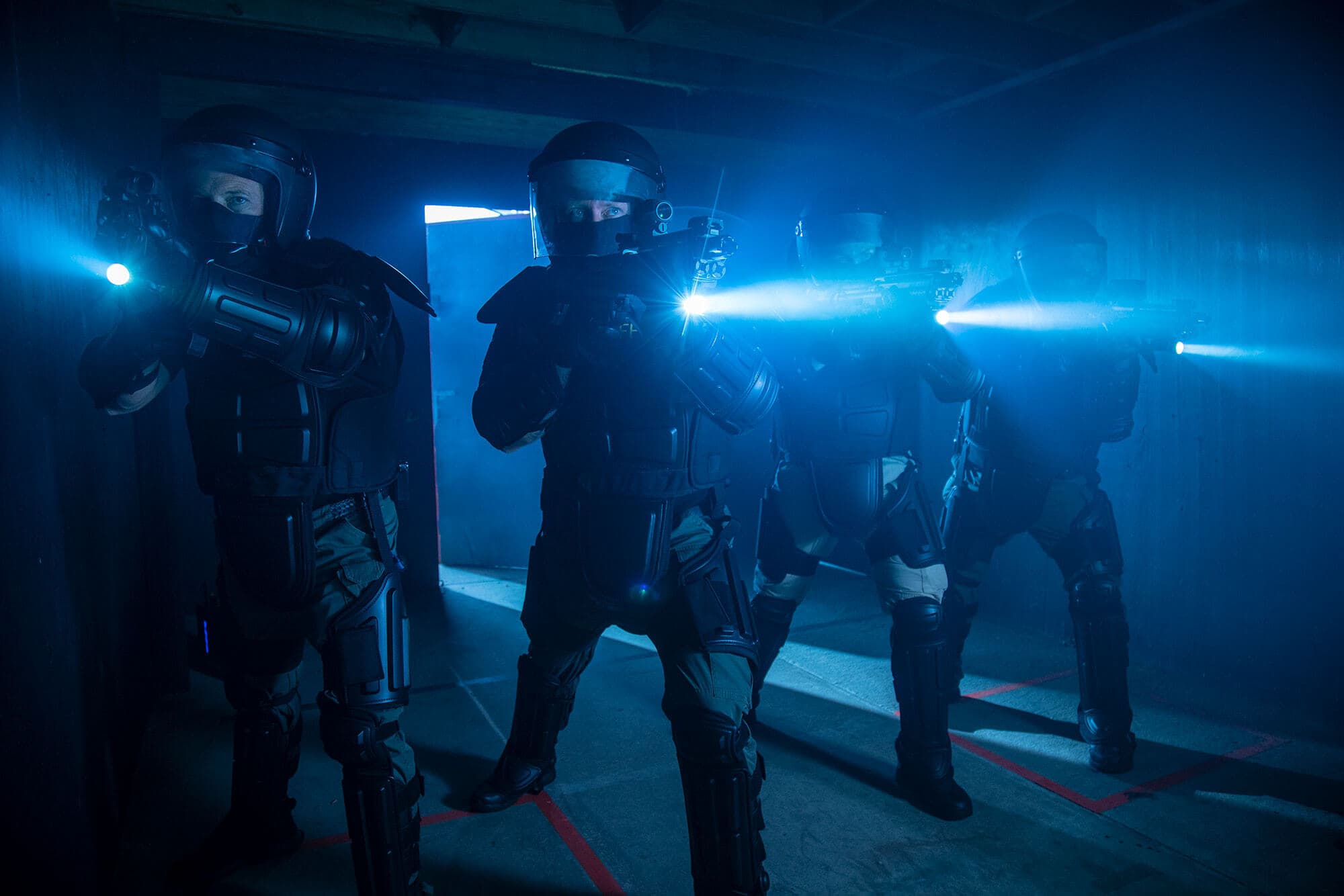
Departments that purchased riot gear ten or fifteen years ago and have not updated since are not getting the protection they think they are. Polypropylene panels degrade under UV exposure. Textile components fatigue with use and age. Straps and buckles wear out. Fire-resistant treatments lose effectiveness over time. The gear that was serviceable when it was purchased may no longer perform to its rated specifications, and the degradation is often not visible without specific inspection.
Material Degradation Over Time
Polypropylene, while durable, becomes more brittle with prolonged UV exposure. Panels that have been stored improperly or exposed to sunlight during outdoor operations show microcracks that are not visible without close inspection but that significantly reduce the panel's energy absorption capacity. A panel that looks intact but has reached the end of its structural service life is not providing rated impact protection. The NIJ has published guidance on protective equipment service life that addresses material degradation in impact-resistant panels.
Technology Has Moved Forward
Departments that update their riot gear after a decade are not just replacing worn-out equipment. They are accessing protection and performance improvements that have been developed in the interim. The difference between the protection level, mobility, and heat management of current-generation gear like the Enforcer MP and ten-year-old equipment is substantial. Officers in current-generation gear are better protected and perform better during extended operations than officers in equivalent-era gear.
Replacement Planning Rather Than Crisis Replacement
Planned gear replacement cycles, based on service life guidelines and maintenance inspection findings, are significantly less expensive than crisis replacement when gear fails in the field. Haven Gear's replacement parts availability supports extending the service life of components that can be repaired, while identifying which components require complete replacement. This allows departments to manage replacement costs over time rather than facing large capital outlays when aging gear reaches simultaneous failure.