The Modern Correctional Officer’s Gear Checklist: Beyond the Basics
The echo of a heavy steel door slamming shut is a sound every correctional officer knows by heart. It is the sound of a controlled environment, but any veteran on the block knows that “controlled” is a relative term. In the high-stakes world of corrections, the atmosphere can shift from routine to critical in a heartbeat. When that shift happens, you aren’t just relying on your training and your partners; you are relying on the gear strapped to your body. For decades, however, that gear has been a silent adversary, heavy and restrictive, designed for a type of conflict that hasn’t existed for forty years.
The reality is that much of the riot and disturbance-control equipment still found in armories across the country hasn’t undergone a significant functional redesign since the 1970s. This stagnation has created a situation where the tools meant to protect are actually hindering the men and women who wear them. As we look at the modern landscape of correctional safety, it’s time to move beyond the basics. A modern officer’s gear checklist isn’t just about having a vest and a helmet; it’s about an integrated system of mobile defense technology.
The Evolution of the Protective Suit
In the past, “full coverage” usually meant “maximum bulk.” The logic was simple: more material equals more protection. But in the tight corridors and multi-level tiers of a correctional facility, bulk is a liability. If you can’t move, you can’t defend yourself or your teammates. The modern checklist begins with a suit that prioritizes mobility as much as it does impact resistance.
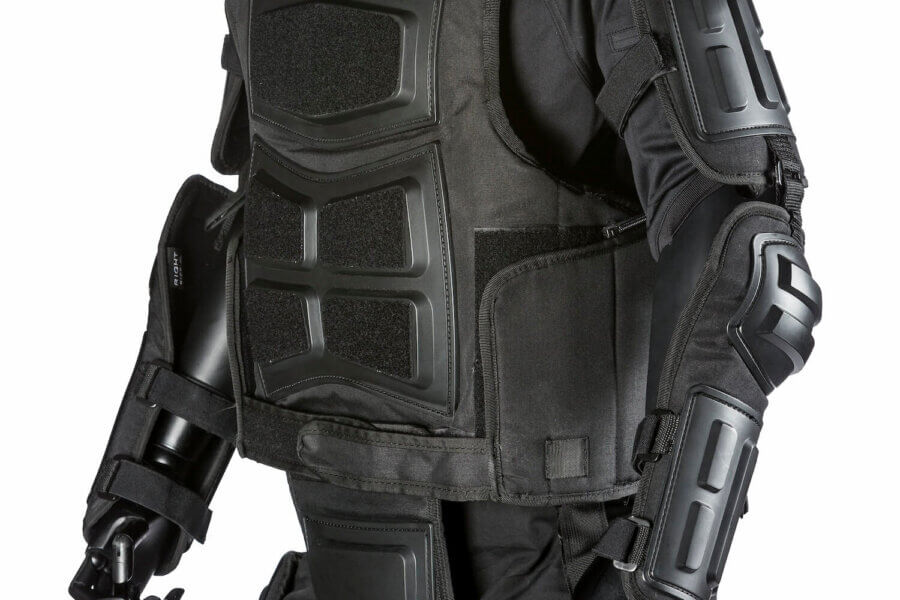
The first item on the list is a lightweight, non-ballistic patrol suit. This is the workhorse for daily operations and initial response. The goal of this equipment is to provide full-body protection while allowing the officer to remain agile. Modern designs, such as those pioneered by Haven Gear, focus on a “get up when you get knocked down” philosophy. This means the suit is articulated at the joints and balanced so that an officer’s center of gravity isn’t compromised. In a scuffle on a concrete floor, the ability to regain your footing instantly is more valuable than an extra inch of steel plating.
Strategic Defense for High-Intensity Situations
While the standard patrol suit handles the majority of disturbances, a modern facility must be prepared for acute, high-risk tactical situations. This is where the checklist moves into full-coverage defensive gear. When the threat level escalates, the requirements for the gear change. You need a system that can transition from crowd management to high-intensity tactical intervention.
This level of protection requires integrated carriers that allow for ballistic plates. The modern officer needs the flexibility to add or remove protection based on the specific threat profile of the incident. Furthermore, the integration of MOLLE (Modular Lightweight Load-carrying Equipment) gear has become essential. Having your tools, restraints, communications, and secondary defense within easy reach on your chest or hips, rather than buried under layers of plastic, can change the outcome of an engagement.
The Logistics of Endurance: Cooling and Hydration
One of the most overlooked aspects of correctional gear is the physiological toll it takes on the officer. Standing in a disturbance line or conducting a cell extraction in a facility with limited climate control is grueling work. Fatigue leads to mistakes, and mistakes in corrections can be fatal.
A modern gear checklist must include integrated cooling and hydration systems. We are seeing a shift where protective suits are no longer just armor; they are life-support systems. By incorporating hydration bladders and cooling inserts directly into the suit’s architecture, departments can significantly extend the effective deployment time of their squads. An officer who isn’t overheating is an officer who remains sharp, observant, and capable of following complex orders under pressure.
The Essential Accessories
Beyond the suit itself, the modern checklist must account for the specialized accessories that complete the defensive envelope. Every piece of equipment must be as reliable as the suit it accompanies.
- Helmets and Communication: A helmet must provide more than just impact protection; it must be compatible with modern communication headsets and offer clear, wide-angle visibility.
- Tactical Gloves: Protection for the hands is critical, but it cannot come at the expense of manual dexterity. Officers need to be able to operate keys, restraints, and radios without removing their protection.
- Specialized Shields: The move away from heavy metal toward high-strength synthetics allows for shields that are easier to carry for long periods while providing better visibility of the threat.
- Deployment Bags: How gear is stored and transported is just as important as how it’s worn. Rapid-response kits need to be organized in durable bags that allow for quick donning in high-stress environments.
The design philosophy at Haven Gear focuses on this holistic approach, ensuring that every accessory works in harmony with the primary suit to create a seamless defensive layer.
Specialized Unit Requirements
The modern correctional environment often includes specialized units that require unique equipment. For example, some large-scale facilities or those with extensive outdoor perimeters utilize mounted units. The gear for these officers must balance the needs of the rider with the protection of the horse. This involves specialized suits that allow for the unique range of motion required for riding while maintaining the same high level of protection found in ground-based kits.
Customization and Departmental Needs
No two facilities are identical, and a “one size fits all” approach to gear is a relic of the past. The modern checklist involves working with manufacturers who can customize suits and kits to the specific needs of a department. Whether it’s adjusting for different body sizes or integrating specific tactical requirements, customization ensures that the gear serves the officer, rather than the officer serving the gear.
By filling the gap in the industry with innovative technology, Haven Gear has made it possible for agencies to move away from the restrictive equipment of the 1970s and into a new era of safety. The ultimate goal of this technological evolution is simple: to ensure that the brave men and women working in our correctional facilities have the best possible chance to safely diffuse dangerous situations and return home to their families.
FAQ: The Future of Correctional Gear
Why is it said that riot gear hasn’t changed since the 1970s?
For decades, the industry relied on heavy, rigid designs that prioritized blunt-force protection over everything else. While materials improved slightly, the basic ergonomics remained stagnant, leading to gear that was often cumbersome and restrictive in modern tactical environments.
What is the difference between a “Patrol” suit and an “Enforcer” suit?
A patrol suit is typically a lightweight, non-ballistic option designed for mobility and full-body protection during standard disturbances. An enforcer-style suit is designed for more intense tactical situations, offering full coverage and the ability to integrate ballistic plate carriers.
How does integrated cooling gear actually work?
Modern suits are designed with internal pockets or channels that can house cooling inserts or hydration bladders. This helps regulate the officer’s body temperature and ensures they have access to water without needing to compromise their protective envelope.
Why is mobility considered a safety feature?
In a correctional setting, the ability to move quickly, to avoid a strike, to pursue a subject, or to assist a fallen partner is a primary form of defense. Gear that “hinders” an officer increases their vulnerability.
Can riot gear be customized for different body types?
Yes. Modern suits are designed to be highly adjustable to fit various body sizes, ensuring that every officer has a fit that is both secure and comfortable.
Is there specialized gear for mounted correctional units?
Yes, there are kits specifically designed to provide protection, mobility, and comfort for both the rider and the horse, acknowledging the unique challenges of mounted patrol.
Conclusion: A Commitment to Safety
The transition from legacy equipment to modern, innovative defense technology is not just an upgrade in hardware; it is an investment in the people who walk the toughest beats in the country. The checklist for the modern correctional officer is built on the pillars of durability, safety, and unbelievable mobility.
When we move beyond the basics, we stop asking our officers to settle for gear that “just works” and start providing them with gear that empowers them to do their jobs more effectively. It’s why Haven Gear prioritizes getting every officer home safely by providing the most comfortable and protective equipment in existence. As the political and social climates continue to shift, the need for reliable, 21st-century defense technology has never been more critical. Ensure your department’s checklist is ready for the challenges of today and the uncertainties of tomorrow.